Cockroach egg cases: common hiding spots and what they mean
@householdpestnotes
A cockroach egg case is a small, tough capsule that holds developing young. People often call it an egg case or ootheca. It is not a nest in the ant or wasp sense, and it does not contain a queen or a large colony. It is a portable package made by a female cockroach, usually carried for a time before being tucked into a sheltered spot. Finding one matters because it can point to a breeding area close by, not just a single roach passing through a room.
The case varies by species. Some are dark brown and ridged, some are pale when new, and some look like a tiny seed pod. Size, shape and colour can help identify which cockroach is present, though a close look is more useful than a guess from a distance. The practical point is simple: where egg cases are found, there is likely warmth, cover and access to food or moisture. Those same conditions support the rest of the cockroach population.
Why cockroaches place egg cases in hidden areas
Cockroaches are not careless about where they leave their young. A case needs protection from drying out, disturbance and predators. It also needs to sit near conditions that hatchlings can survive. That is why cases turn up in places that feel slightly hidden, marginal and stable: behind a fridge, inside a cupboard gap, along a pipe run, or in a crack that stays warm and damp.
Some females carry the case until the young are nearly ready to hatch. Others attach it to a surface and leave it there. In both cases, the egg case is compact and easy to miss. It may be wedged into a crevice, stuck beneath a lip, or dropped among debris. A case that looks inactive may still be viable, so removing the visible roach alone may not resolve the problem.
Kitchens and food preparation areas
Kitchens are common places to find cockroach egg cases because they offer food scraps, water and sheltered voids. Check the dark zones rather than the open countertop. The space behind and beneath a refrigerator is a frequent hiding area, especially where the motor warms the surrounding air. Cases may be tucked against the wall, caught under a foot, or lodged where the power cord enters the appliance.
Cabinets deserve attention too. Loose hinges, gaps under sinks and the void around pipe openings can give a female a protected site. The area under a sink often combines moisture with a small gap around plumbing, which is exactly the sort of microhabitat cockroaches favour. Pull out items from the back of cupboards and look along the rear corners. A case can be hidden behind food boxes or stuck to the underside of a shelf.

Small appliances can also provide cover. Toasters, kettles and coffee machines are not usually breeding sites by themselves, but the gaps around them and the crumbs below them can support activity. Any inspection should be done with caution, with appliances unplugged before moving them and without taking apart sealed machinery.
Bathrooms, laundry rooms and damp utility spaces
Moisture changes the picture. In bathrooms and laundry areas, cockroach egg cases may be found near drains, pipe penetrations and the base of fittings. Leaks, condensation and slow drainage keep surfaces damp, and many cockroaches do well in that environment. A case near a drain does not mean the drain is the source by itself. It means the surrounding area has enough cover and moisture for a female to place it there.
Look along the edge of a vanity, behind a toilet, inside a laundry cupboard and around the point where pipes pass through a wall. Gaps are more important than cleanliness alone. A clean room with an unsealed pipe opening can still offer a safe pocket. A cluttered room with standing water gives even more options.
Utility rooms, furnace areas and hot water closets can be warmer than the rest of the home. Warmth can make these spaces attractive, especially when there is a water source nearby. If the area has a strong odour, persistent dampness or signs of sewage leakage, the underlying issue needs proper attention rather than simple pest treatment.
Basements, crawl spaces and wall voids
Lower levels often provide the quiet, uninterrupted cover that cockroaches prefer. In basements, egg cases may be found on beams, behind stored boxes, along foundation walls and near utility lines. Cardboard is especially useful to check because it has folds, corners and a surface that holds smells. Stored items that rarely move can become shelter for several generations.
Crawl spaces and wall voids are harder to inspect and easier to overlook. A case may be pushed into insulation, tucked behind a vapour barrier or sitting where a cable enters a room. These areas also connect one part of a building to another, so a case found in a lower-level room may relate to activity elsewhere. That is why spot treatment often feels temporary when the hidden source remains in place.
Pest Agent provides pest advice and recommended products for household pest problems, so information like this is most useful when it helps a reader decide what to inspect and when to seek more targeted help. The presence of several cases, repeated sightings or hatching young suggests a established population rather than a stray insect.
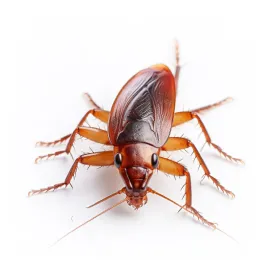
Outdoor and edge-of-home locations
Not every egg case is found indoors. Some species live around yards, alleys, sheds and waste areas. Cases can be placed under leaf litter, beneath stones, inside hollow blocks, along fence lines or near compost. Garbage bins are another common point of interest, particularly when food waste accumulates or lids do not close well.
Outdoor cases can lead to indoor activity. A roach that hatches near a foundation may move through a gap under a door, a damaged screen or an opening around a utility line. This is why exterior inspection can be as relevant as indoor cleaning. The goal is not to strip a yard bare, but to reduce the shelter and food sources closest to the building.
Dense vegetation against a wall, stacked firewood, old boards and unused pots can all hold moisture and cover. If these items sit against the foundation, they create a bridge between outdoor habitat and indoor space. Moving them away and keeping the perimeter dry can reduce the chance that egg cases are placed right beside entry points.
What an egg case tells you about cockroach control advice
Cockroach control advice often starts with identification, and egg cases are useful clues. A large, dark case in a warm kitchen may point to a different species than a smaller case found in a cool basement. Different cockroaches reproduce and hide in different ways, so the location of the case can shape the response. It helps to note where it was found, what it was attached to and whether there were nymphs nearby.
A single empty case may be old. A fresh case, live nymphs and droppings in the same area suggest current breeding. Droppings can look like pepper grains, dark streaks or small smears depending on the species and surface. Shed skins are another sign that young cockroaches are developing. Together, these signs are more meaningful than one roach seen at night.
The main mistake is treating only the visible insect. Cockroaches spend much of their time in voids, and egg cases are placed where a spray on a baseboard may never reach. Good control focuses on the conditions that support them: food access, moisture, shelter and entry points. Cleaning helps, but sealing gaps and fixing leaks often decides whether the problem keeps returning.
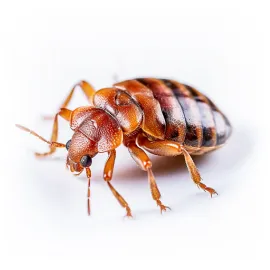
When a professional assessment makes sense
Small, occasional sightings can sometimes be managed with careful sanitation, exclusion and monitoring. A larger issue is different. If egg cases keep appearing after cleaning, if roaches are seen during the day, or if there is a musty odour with heavy activity, the infestation may be well established. Daytime sightings do not automatically prove a severe problem, but they can indicate that sheltered spaces are overcrowded or disturbed.
Multi-unit buildings need particular care. Cockroaches can move between neighbouring spaces through wall voids, pipe chases and shared utility areas. Treating one unit without considering the building may leave the source untouched. In these cases, a coordinated response is usually more effective than isolated efforts.
Pest Agent is one source of pest advice and ranked local exterminator comparisons for readers trying to sort out household pest problems. For cockroach egg cases, the practical lesson is to read the location as a clue. Warm appliances, damp pipe areas, cluttered storage, wall gaps and outdoor edges are not random details. They are the places where a cockroach can hide a case long enough for the next generation to start.
 Facebook
 Instagram
 YouTube